
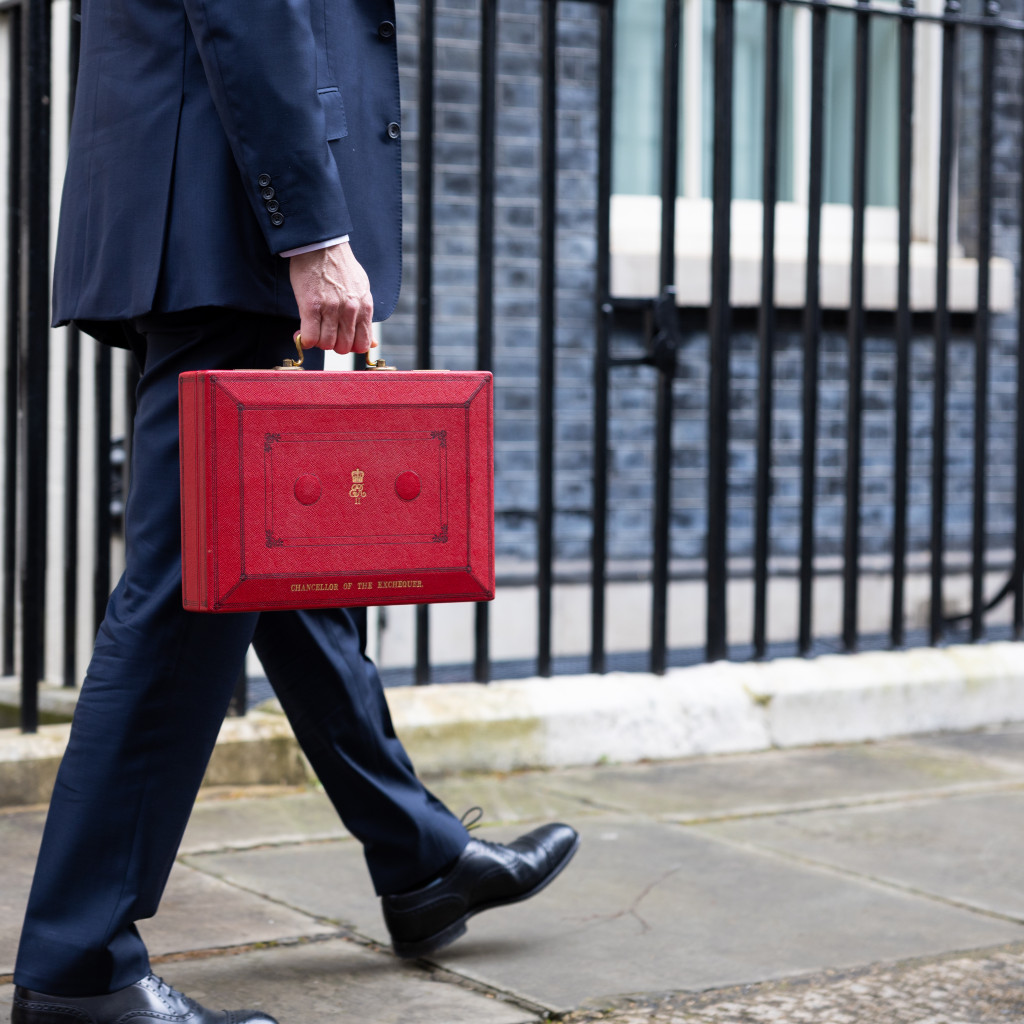
With the Government facing a fiscal gap of up to £50bn, November’s Autumn Budget is shaping up to be one of the most important in years. Drawing on a range of sources, here’s my overview of the key potential changes.
1) Freeze on Income Tax Thresholds
The freeze on income tax thresholds and allowances until 2027/28 is already pulling more people into paying tax for the first time and pushing others into higher tax bands as their earnings rise with inflation. This effect, known as “fiscal drag”, means that even without any changes to tax rates, more of your income ends up being taxed.
Currently, the personal allowance (£12,570) and the higher-rate threshold (£50,270) are fixed until April 2028. Extending the freeze to 2030 could raise billions more for the Treasury.
2) Changes to Lifetime Gift Rules
Inheritance Tax (IHT) is once again in focus. Rumours suggest the Chancellor could tighten or reform lifetime gift rules. At present, large gifts can escape IHT if the giver survives seven years, with tapering relief from year three. Gifts from surplus income are also generally exempt. Both of these rules could be shortened, capped, or even abolished for new gifts made after Budget Day.
3) Property Taxation
While the Chancellor has ruled out a full-blown wealth tax, calling it a mistake, the focus may instead shift towards property as a revenue source. Proposals under discussion include higher council tax bands, tapering CGT relief on homes worth over £1m, or even a form of mansion tax on property sales above £500,000.
Rental income could also be brought within the scope of National Insurance, raising landlords’ tax bills.
4) Business Taxation
Employers are already dealing with the increase in National Insurance contributions that took effect in April 2025.
Reform of business rates is also expected, with the Government signalling a shift towards supporting high street shops through enhanced reliefs and improvement incentives. However, larger premises, warehouses, and online retailers may face higher bills as the system is rebalanced to spread the burden more fairly across different business types.
5) Savings & Pensions
Pensions remain a likely target. With tax relief on contributions costing billions, the Chancellor may look at limiting salary sacrifice arrangements or even introducing a small annual levy on pension funds, collected by fund managers.
ISAs and dividends could also face reform. The Government is considering tweaks to encourage investment in equities. For example, by reducing the cash ISA allowance or introducing a dedicated ‘UK Growth ISA’. On dividends, one option under discussion is to scrap the separate dividend tax rates and instead tax them at normal income tax rates, though the £500 annual dividend allowance is expected to remain.
6) Other Revenue Raisers
Taxes on alcohol, tobacco, gambling and sugary drinks are perennial favourites and may well rise again. Environmental levies, such as landfill tax reform and the new carbon border adjustment mechanism, could also feature.
In Summary
The Autumn Budget is always a balancing act between raising revenue and keeping political promises. This year, the most likely areas for change are personal taxes through threshold freezes, property taxation, targeted business levies, and reforms to pensions and savings.
For both individuals and businesses, now is the time to review your tax position and think ahead.